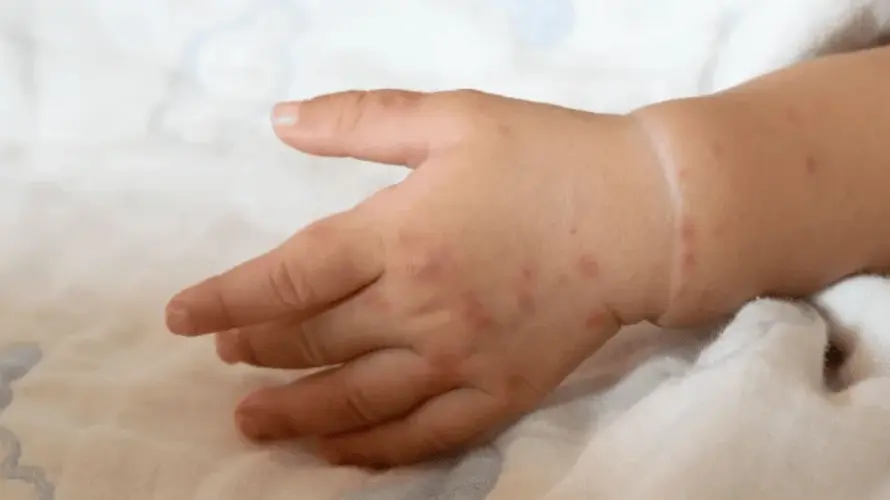
Diaper rash is one of the most common skin problems experienced by babies, especially when diapers are not used properly or the skin is too moist. Red spots, irritation, and sore-looking skin often make parents panic and confused about what to do.
But don’t worry, diaper rash can actually be prevented and treated in a simple way-if you know the cause and the right steps.
In this article, we will discuss what diaper rash actually is, why it occurs, and of course how to deal with it effectively.
Read on to keep your little one comfortable and irritation-free!
What is Diaper Rash
Diaper rash is a skin irritation condition that occurs in the area covered by a baby’s diaper. It is characterized by redness, spots, or blisters on the baby’s skin on the buttocks, thighs, and around the genitals. This condition occurs when the baby’s skin has prolonged contact with wet diapers, feces, or urine that contain chemicals that can irritate the skin.
Diaper rash is usually caused by excess moisture, friction, or a reaction to chemicals in diapers, soaps, or skincare products. Commonly seen symptoms are the skin turning red, feeling warm to the touch, and the baby may fuss more due to discomfort or pain. Although harmless, diaper rash can make babies feel uncomfortable and if not treated appropriately, can develop into a more serious skin infection.
Characteristics of diaper rash
Diaper rash has some distinctive signs that are easily recognized by parents. The main feature is the appearance of redness on the baby’s skin in areas covered by diapers, especially on the buttocks, thigh creases, and around the genitals. The skin affected by diaper rash usually looks inflamed, feels warm to the touch, and may appear slightly swollen or shiny.
In more severe cases, diaper rash may develop into a rash with small red spots, blisters, or even small open sores. Babies with diaper rash are generally fussier than usual, crying often especially when the diaper is changed or the irritated area is cleaned.
They may also show discomfort by squirming or refusing to lie on their back. It is important for parents to recognize these features early so that appropriate treatment can be given before the condition worsens.
Causes of Diaper Rash
Diaper rash in babies can be caused by several factors that are common in daily baby care.
The main cause is wet or dirty diapers that are left on the baby’s skin for too long.
Urine and feces contained in diapers can trigger chemical irritation to a baby’s sensitive skin, especially if not cleaned immediately and replaced with a new diaper.
Other factors include friction from diapers that are too tight, where a stiff diaper design or ill-fitting size can cause chafing of the baby’s skin.
The moist environment under the diaper is also an ideal place for the growth of bacteria and fungi that can cause infections.
For babies with sensitive skin, reactions to certain diaper ingredients, wet wipes, or skincare products can also trigger a rash.
In addition, feeding acidic complementary foods such as oranges can change the pH of the baby’s stool and increase the risk of skin irritation in the diaper area.
How Long Can Diaper Rash Heal
The healing time of diaper rash varies greatly depending on the severity and the treatment given.
In general, mild diaper rash can improve within 3-4 days with proper care, such as changing diapers regularly and using appropriate protective creams.
Parents can usually see positive changes within the first 24-48 hours after starting the correct treatment.
For more severe or long-standing cases of diaper rash, the healing process may take 1-2 weeks. If the diaper rash is accompanied by a fungal or bacterial infection, the healing time may be longer and may require specific treatment from a doctor.
It is important to remember that diaper rash that does not improve after one week of home treatment, gets worse, or is accompanied by fever in the baby should be immediately consulted to a doctor for more appropriate treatment.
How to deal with diaper rash
Treating diaper rash in infants requires proper and consistent care to promote healing and prevent recurrence.
The first and most important step is to change the baby’s diaper frequently, ideally every 2-3 hours or as soon as the baby urinates or defecates.
After each diaper change, clean the area affected by the rash with warm water and mild baby soap, avoiding the use of wet wipes containing alcohol or perfume that can aggravate the irritation.
After cleaning baby’s skin, gently dry the area with a soft towel or allow it to dry naturally before fitting a new diaper.
Apply a protective cream containing zinc oxide or petroleum jelly as a barrier between baby’s skin and moisture. Allow time for baby’s skin to “breathe” by leaving him without a diaper several times a day for 10-15 minutes.
If the rash does not improve within 3-4 days, gets worse, or signs of infection such as fluid-filled blisters or fever appear, consult a pediatrician immediately.
Diaper Rash Prevention Tips
Preventing diaper rash is better than treating it, and there are some simple ways parents can protect baby’s sensitive skin.
The key to prevention is to keep the diaper area clean and dry by changing diapers regularly, at least every 2-3 hours or immediately after the baby poops.
When cleaning, use warm water and wipe gently, or choose alcohol- and perfume-free wet wipes designed specifically for baby’s skin.
Allow baby’s skin to dry completely before fitting a new diaper and apply a thin protective cream regularly to create a barrier between skin and moisture.
Choose quality diapers that absorb well such as MIUBaby, which are thin yet highly absorbent and leak-proof.
Allow 10-15 minutes of diaper-free time each day to let the skin “breathe”. Also pay attention to the baby’s response to new foods, especially acidic foods that can affect the pH of the stool and increase the risk of skin irritation in the diaper area.
MIUBaby Premium Comfortable & Rash Proof Diapers
Give your little one optimal comfort with MIUBaby Premium Diapers specially designed with the first Triple Core SAP technology in Indonesia.
With an ultra-thin thickness of 1.5 mm and Double Leakguard feature, your little one can move freely all day without the risk of leaking, while Quick Lock 0.1 Second technology keeps their skin dry and protected from irritation.
As a parent, you deserve to give your child the best.
Visit your nearest store or our official website to consult with our experts about your child’s specific needs.
We provide a wide selection of sizes and economical packages to ensure your little one’s comfort and your peace of mind every day.